


How I Built Yarrow
Yarrow is a Tarot reader that runs on Astro, Tailwind, and Svelte, with an LLM doing the reading.
— myles
Interesting tutorial by Jonas Hietala on designing a personal Pebble watchface. I like the idea of using a watchface to display personal information, and this tutorial provides a good starting point for creating one.
Built a docs site for astro-jsonfeed, powered by Starlight. Setup was painless. Took an afternoon.


My current jam is Love Yourself (1999 Electronic Demo) by Sufjan Stevens.

- Listen on:
- Spotify
- Apple Music
- Bandcamp


Neocities Deploy from GitHub Actions
A CI workflow to lint and build, a CD workflow to deploy to Neocities, and a brief defense of why I build the site twice.
— myles


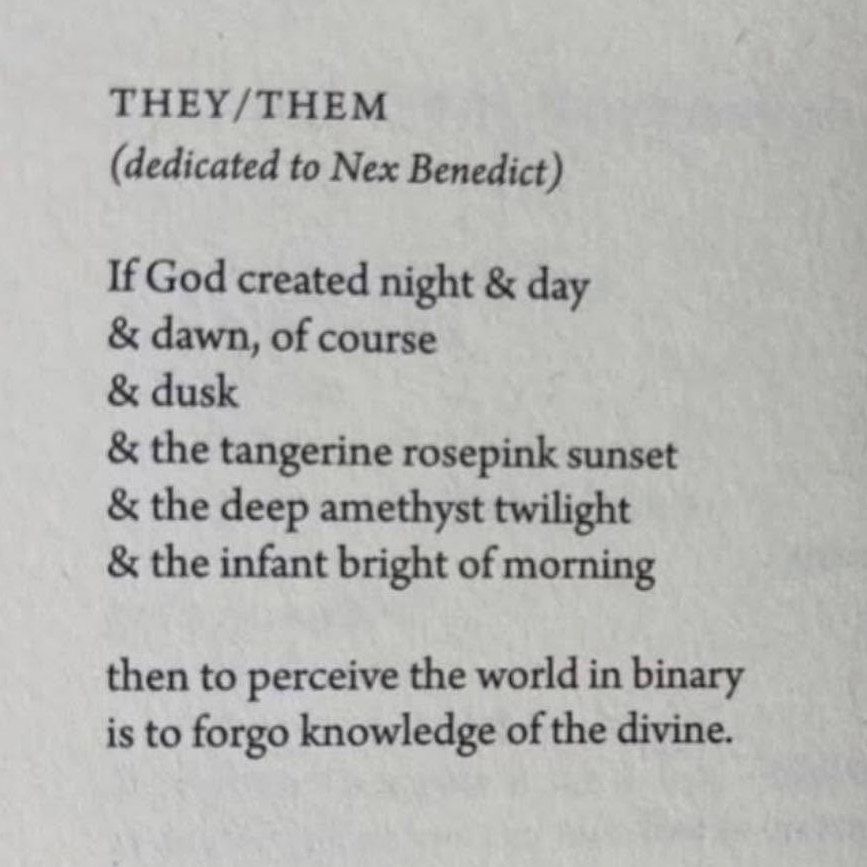
Love this poem I found:
They/Them
(dedicated to Nex Benedict)If God created night & day
& dawn, of course
& dusk
& the tangerine rosepink sunset
& the deep amethyst twilight
& the infact bright of morningthe to perceive the world in binary is to forgo knowledge of the divine.


Mechanical Pencil is a collection of illustrated tear-downs of everyday products by Bryan Macomber. The Zippo tear-down is particularly impressive.


I’m hosting Silent Reading Club at 1RG on June 16 starting at 6pm. Bring whatever you’re reading, find a comfy spot, and enjoy a few hours of quiet company with friends old and new.
I started working on an Astro utility to generate a JSON Feed for blogs, changelogs, or any chronological content. It’s called astro-jsonfeed (super original, I know).
Doug MacDowell writes about drawing data visualisations completely by hand.
“What are you working on these days?”
“Data visualizations.” I told him.
“Ah, you using algorithms, machine learning, cloud computing, things like that?”
“No.” I said. “I’m just trying to draw a line graph.”
My neighbor thought I was getting into some complex sh**. But what’s been more interesting to me lately than using […] is learning to draw data by hand. 50 Hours to Draw Some Lines is about spending more than a week on something that software can accomplish in 20 minutes - and a catalog of resources and methods acquired along the way.
