Jacob Filipp writes about a moment in the 1980s when the Ontario Ministry of Education commissioned a computer designed specifically for students.
A time when public institutions believed they could build their own tools, and did.
1984 was an alternative reality where we could do things. Like build a computer in Ontario.
Ladybird (a new web browser), recently migrated part of their code base to a new programming language with the help of Claude Code and Codex (OpenAI’s code model). I thought this idea of human-directed LLM tasks is really great:
I used Claude Code and Codex for the translation. This was human-directed, not autonomous code generation. I decided what to port, in what order, and what the Rust code should look like. It was hundreds of small prompts, steering the agents where things needed to go. After the initial translation, I ran multiple passes of adversarial review, asking different models to analyze the code for mistakes and bad patterns.


Went to see Charli xcx’s new film The Moment.

The Moment
Bruce MacEvoy, has an awesome website for water colour painters.
The Everdeck is a versatile 120-card system designed to support a wide range of traditional and modern card games. Its design weaves together mathematical and linguistic patterns, allowing it to map cleanly onto many existing systems, standard decks, Tarot, Hanafuda, and more, which makes it especially interesting as a piece of universal game infrastructure.
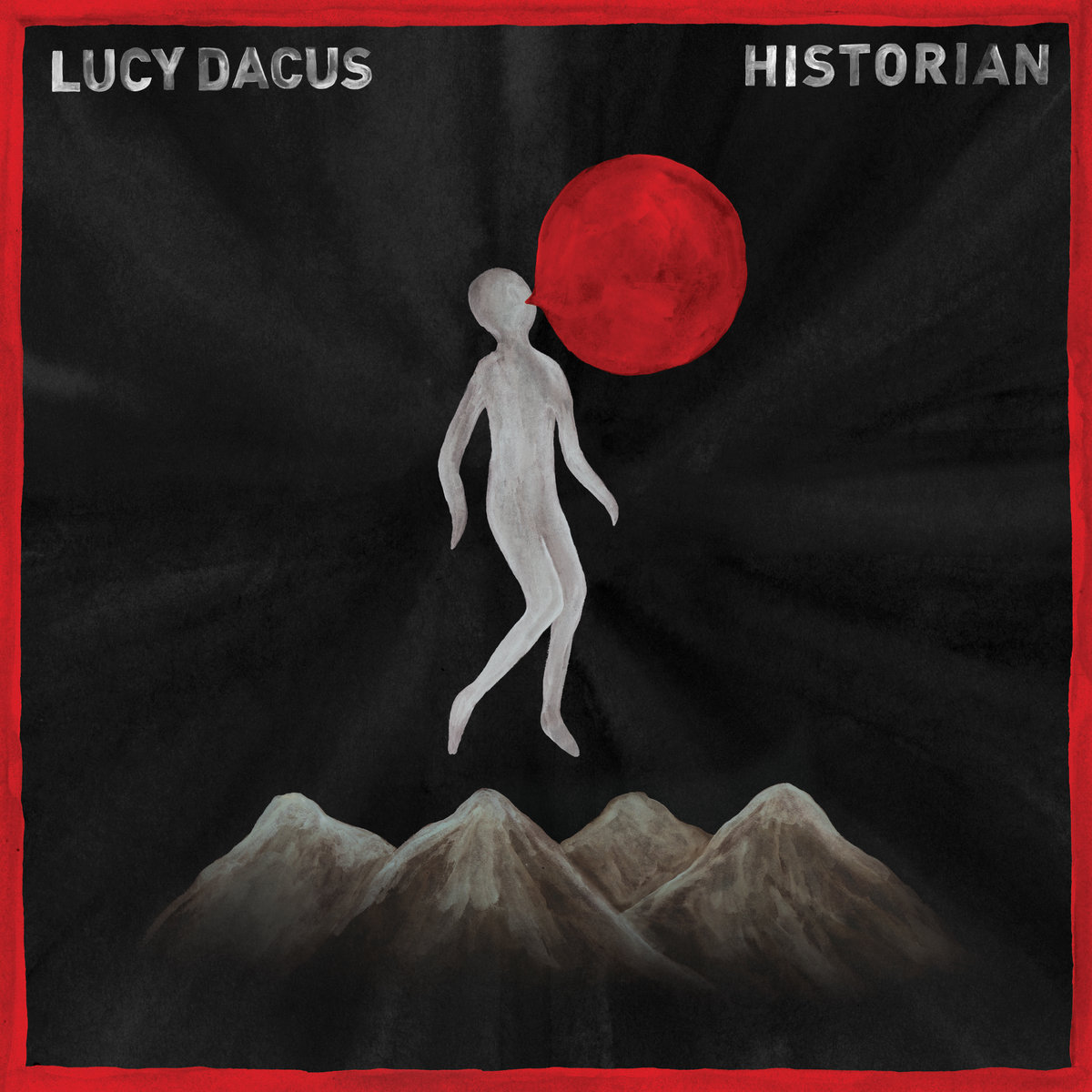
My current jam is Night Shift by Lucy Dacus.
- Listen on:
- Spotify
- Bandcamp
- Apple Music
- Tidal
- YouTube Music
Harriet Baker reviews Sophie Calle’s first book Suite Venitienne, which documents her pursuit of one man through the streets of Venice.
I started watching the A Knight of the Seven Kingdoms.

A Knight of the Seven Kingdoms (Season 1)
Sharon Ruston surveys the scientific background to Frankenstein, grounding its horror in real debates about resuscitation, galvanism, and ambiguous states between life and death.
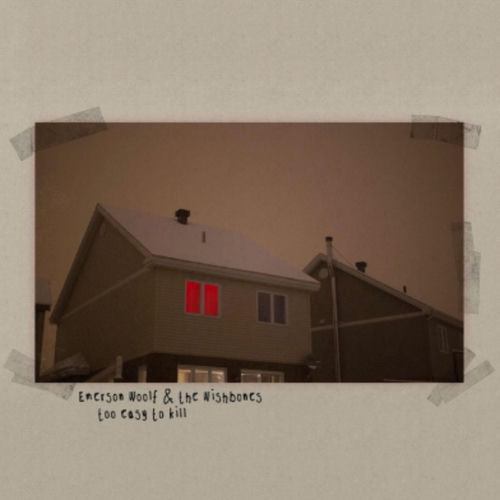
My current jam is Thai Kane by Emerson Woolf & the Wishbones.
- Listen on:
- Spotify
- Apple Music
- SoundCloud
- Deezer
- Tidal
- YouTube Music
I’m really enjoying The River Has Roots by Amal El-Mohtar.
The Stuff That Stuck in 2025
Not a definitive list, just the books and movies that followed me out of the room in 2025.
— myles
Cristian Băluță writes about he moded a Panasonic Lumix G9II into a Leica M-Style camera.


Henry Desroches makes a thoughtful case for reclaiming the Web we actually want by embracing personal, hand-coded, syndicated websites and protocols like RSS & Webmentions.
Hand-coded, syndicated, and above all personal websites are exemplary: They let users of the internet to be autonomous, experiment, have ownership, learn, share, find god, find love, find purpose. Bespoke, endlessly tweaked, eternally redesigned, built-in-public, surprising UI and delightful UX. The personal website is a staunch undying answer to everything the corporate and industrial web has taken from us.
Annual Prologue: 2026
There’s a tab open on my laptop that’s been there for three weeks. A half-finished drawing, a reference image, a colour picker frozen mid-decision. I haven’t closed it. I think that means something.
— myles

Bryan Cantrill shares Oxide’s internal guidance on the use of LLMs in RFD 576.
Empathy: Be we readers or writers, there are humans on the other end of our language use. As we use LLMs, we must keep in mind our empathy for that human, be they the one who is consuming our writing, or the one who has written what we are reading.