Bryan Cantrill shares Oxide’s internal guidance on the use of LLMs in RFD 576.
Empathy: Be we readers or writers, there are humans on the other end of our language use. As we use LLMs, we must keep in mind our empathy for that human, be they the one who is consuming our writing, or the one who has written what we are reading.
Marcus Olang’ reflects on being told his writing sounds like ChatGPT. As a Kenyan, he reframes the comparison: ChatGPT writes like him and like many others shaped by the same educational system.
I am a writer. A writer who also happens to be Kenyan. And I have come to this thesis statement: I don’t write like ChatGPT. ChatGPT, in its strange, disembodied, globally-sourced way, writes like me. Or, more accurately, it writes like the millions of us who were pushed through a very particular educational and societal pipeline, a pipeline deliberately designed to sandpaper away ambiguity, and forge our thoughts into a very specific, very formal, and very impressive shape.
Swiss mapmakers have been quietly seeding their work with little doodles—marmots, spiders, even the occasional hidden hiker—inside official maps.
It also implies that the mapmaker has openly violated his commitment to accuracy, risking professional repercussions on account of an alpine rodent. No cartographer has been fired over these drawings, but then again, most were only discovered once their author had already left. (Many mapmakers timed the publication of their drawing to coincide with their retirement.) Over half of the known illustrations have been removed. The latest, the marmot drawing, was discovered by Swisstopo in 2016 and is likely to be eliminated from the next official map of Switzerland by next year. As the spokesperson for Swisstopo told me, “Creativity has no place on these maps.”
Emily Sneddon on how she designed Fran Sans, a display font inspired by the destination displays on Muni’s Breda Light Rail Vehicles in San Francisco.
What caught my eye was how the displays look mechanical and yet distinctly personal. Constructed on a 3×5 grid, the characters are made up of geometric modules: squares, quarter-circles, and angled forms. Combined, these modules create imperfect, almost primitive letterforms, revealing a utility and charm that feels distinctly like the San Francisco I’ve come to know.
Peter-Ayers Tarantino’s Manhattan apartment is packed with books and artwork in every direction. It’s chaotic, layered, and unbelievably charming.
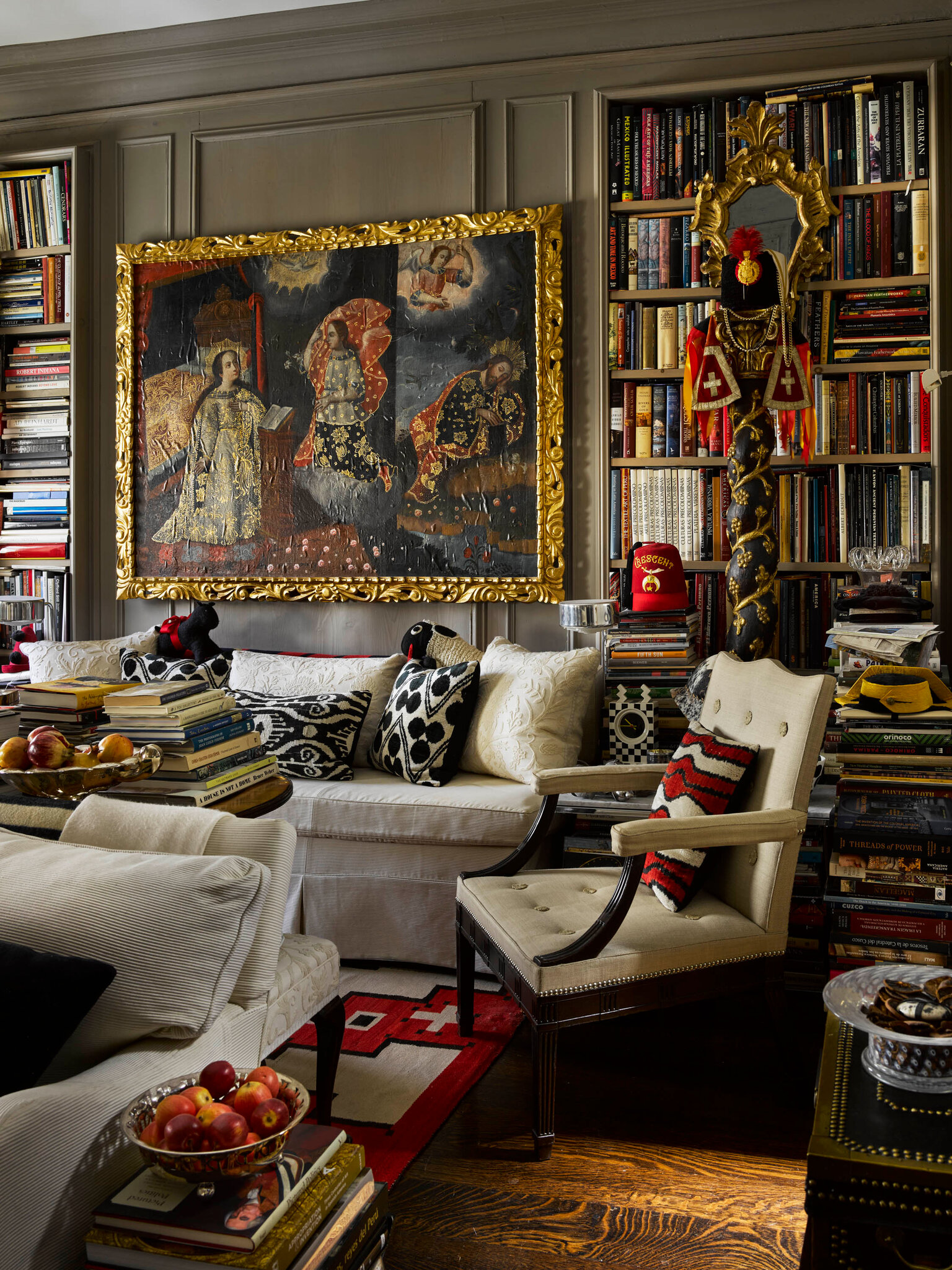
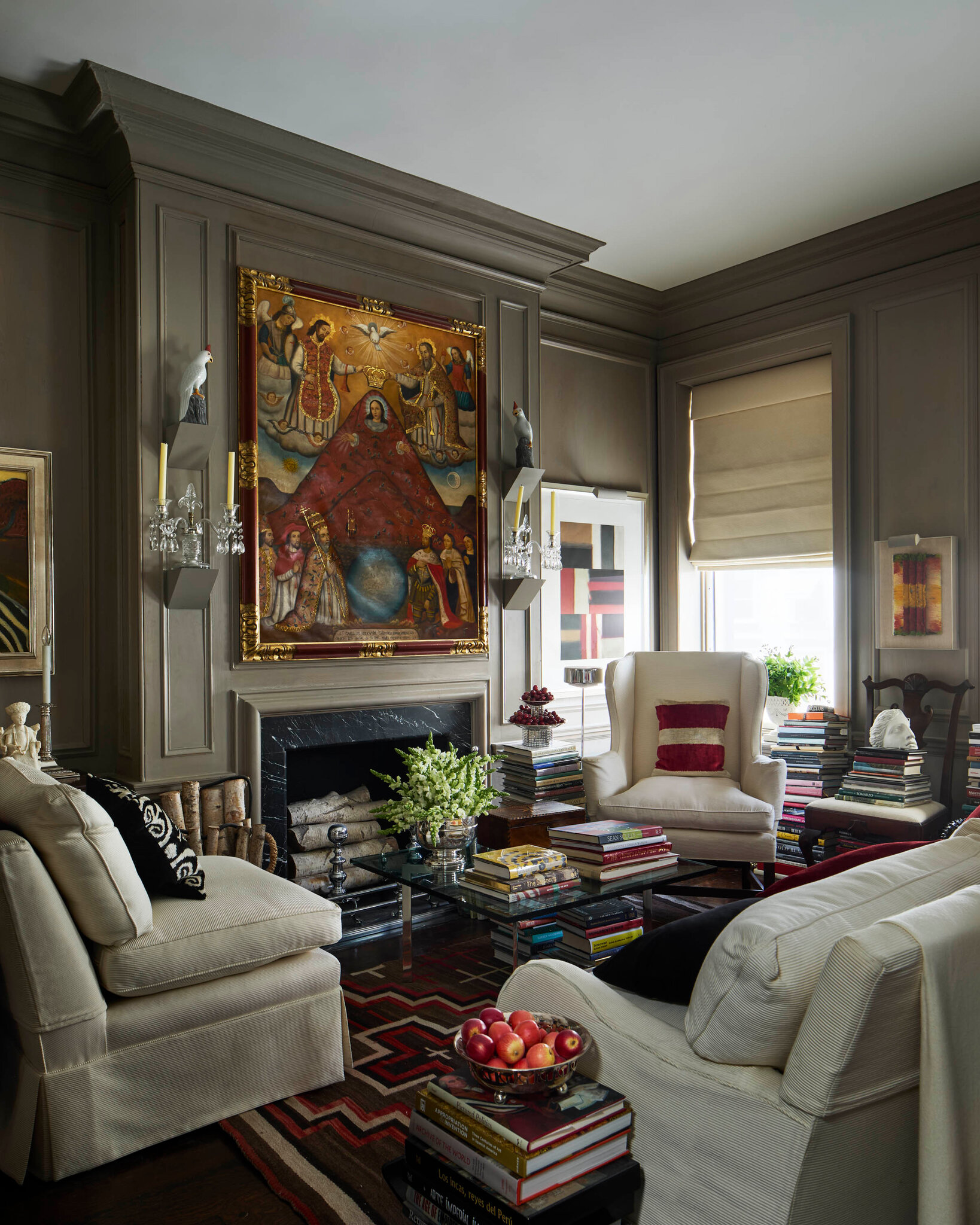
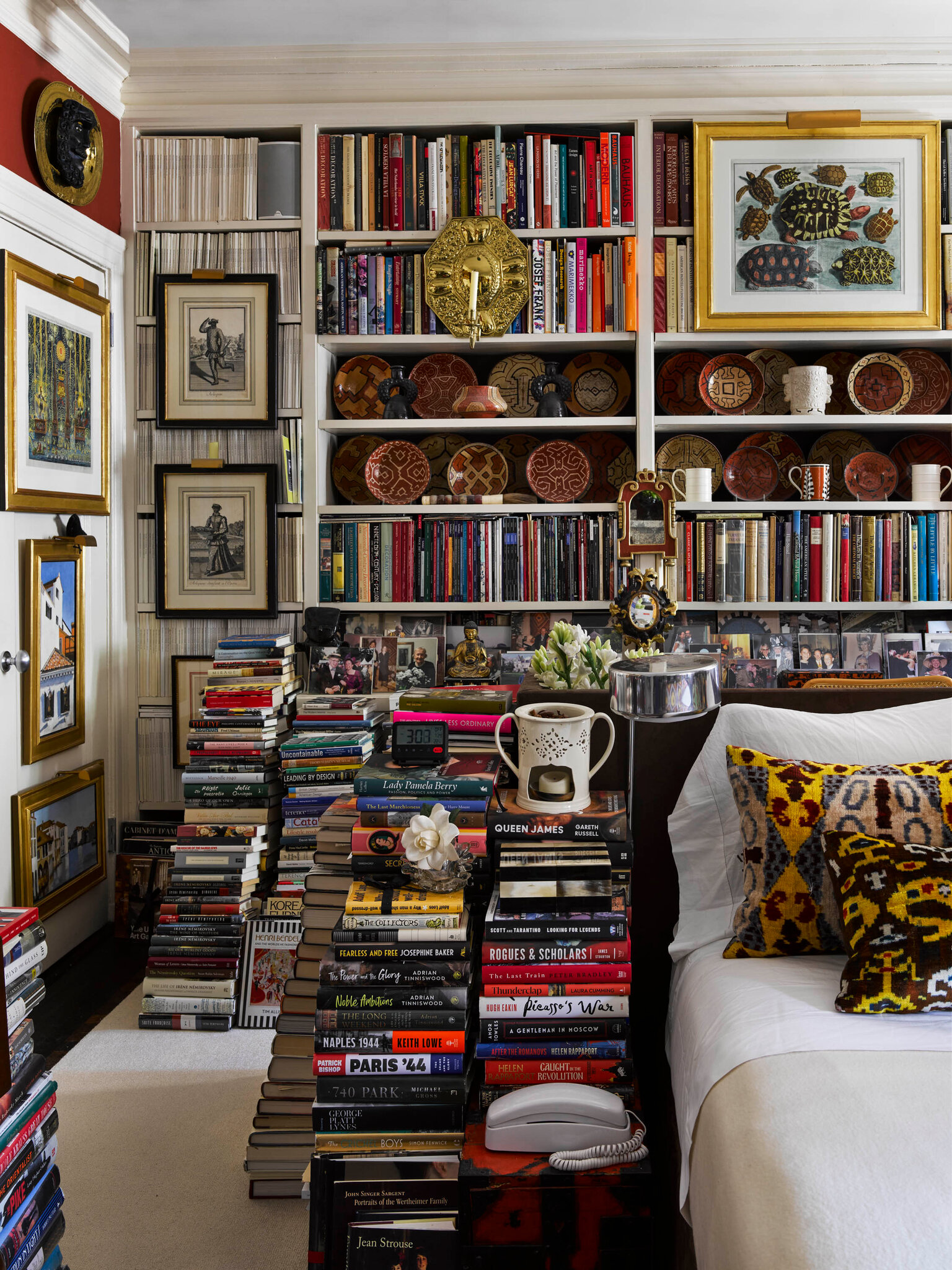
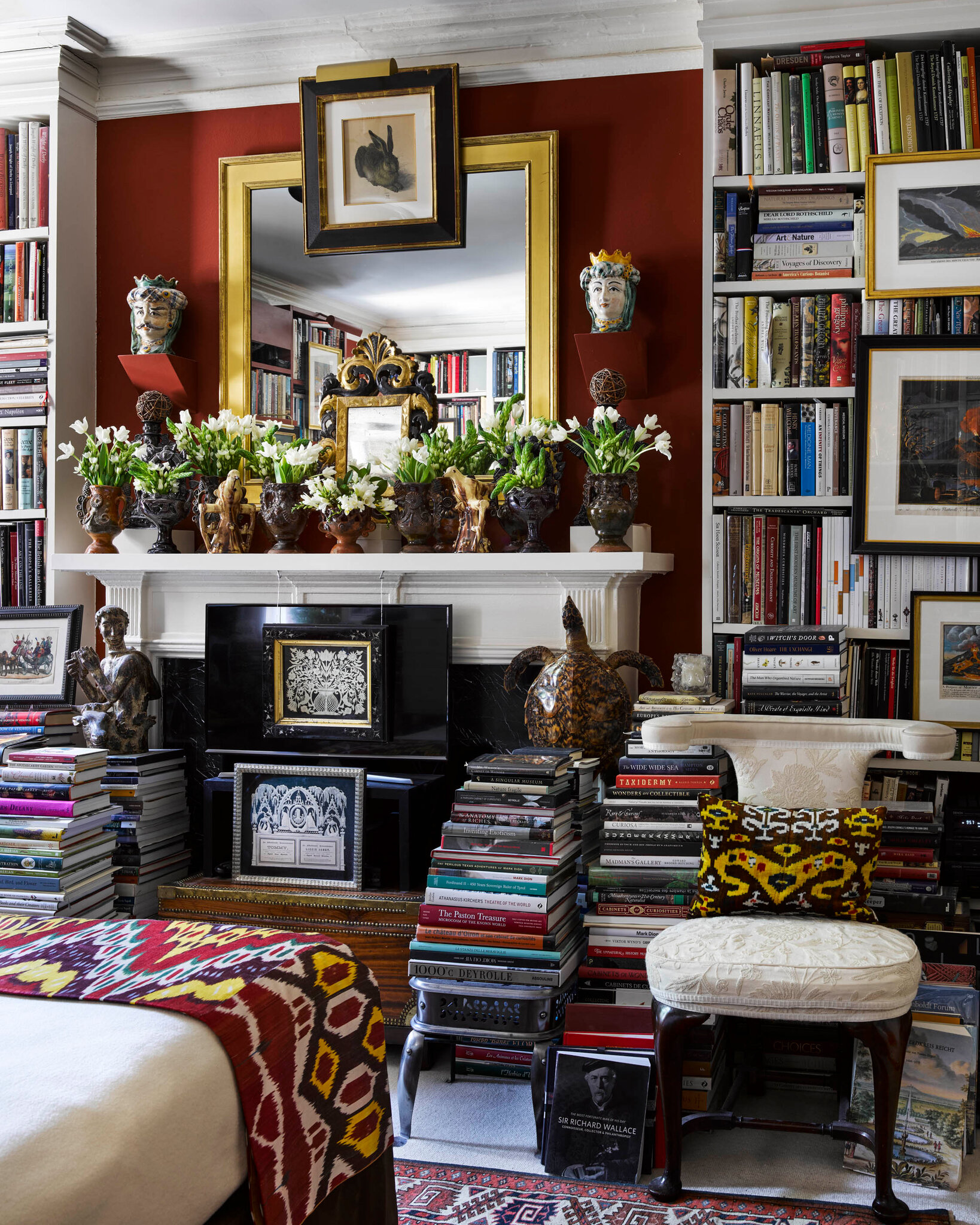
Dani Offline writes about how everyone wants to be a DJ, but no one wants to dance. She argues that the commodifiction of art has devalued the experience of enjoying art for its own sake.
I present this example to mark a paradox that troubles the title of this essay. Pure, anonymous participation in something strange and beautiful is often that which draws us to the center of it all. The best writers I know are devoted readers. The best musicians I know listen to music, constantly. Is it such a problem that everyone wants to be an artist these days?
Bud Smith writing in The Paris Review about his truck desk,
I’d built a portable desk inside it. My truck desk, I called it. A couple of planks screwed together, our union sticker slapped on, the whole deal sealed with shellac. I’d built the desk so it slid into the bottom of the steering wheel and sat across the armrests. I used to hang back at the job and sneak in some creative work while the rest of the crew went to break. My desk—which I’d taken far too long to build and perfect through many prototypes—had been stowed behind the driver’s seat when the truck was hauled off by the wrecker.
There is something amazing about how Smith built a workspace from the world around him, writing squeezed between shifts.
Chase Anderson wrote a guide to reading Jane Austen books in order.
Geoffrey Litt on how he uses LLMs to code like a surgeon:
A surgeon isn’t a manager, they do the actual work! But their skills and time are highly leveraged with a support team that handles prep, secondary tasks, admin. The surgeon focuses on the important stuff they are uniquely good at.
Anil Dash on most people in the tech industry, who actually build things, share the same feelings on AI:
Technologies like LLMs have utility, but the absurd way they’ve been over-hyped, the fact they’re being forced on everyone, and the insistence on ignoring the many valid critiques about them make it very difficult to focus on legitimate uses where they might add value.
Alex Martsinovich on why it’s rude to show AI output to people:
For the longest time, writing was more expensive than reading. If you encountered a body of written text, you could be sure that at the very least, a human spent some time writing it down. The text used to have an innate proof-of-thought, a basic token of humanity.
Liam Hodder writes about how the punk and hardcore community in Alberta are galvanizing against a common enemy, the United Conservative Party. A great read on how local music scenes double as political communities.
Steve Simkins built a site about how the answer to doomscrolling and disconnectedness is Blog Feeds. It’s meant to be an antidote to endlessly scrolling, just a curated list of people you actually care about.
Alexandra Ciufudean explores the IndieWeb, where people’s personal websites are pushing back against the corporate internet.
This documentary Death of a Fantastic Machine explores how photography has shaped our lives, from early photographs to AI-generated images.
Read Pete Wells’s Times article on his experience reviewing restaurants for the last 12 years.
Read Sam Kriss’s article The Internet is already over.
This is some dystopian stuff.
Amazon Uses a Twitter Army of Employees to Fight Criticism of Warehouses:
Amazon is not the only company that relies on what publicists call “employee advocates.” Lizz Kannenberg, the director of brand strategy at Sprout Social, which advises companies on social media use, said that employee advocacy had developed over the last three to five years.
Bromwich, J. E. (2019, August 15)
This is 100% the fault of June and not the user:
June CEO Matt Van Horn says that owners, not the oven, are at fault. “We’ve seen a few cases where customers have accidentally activated their oven preheat via a device, figure your cell phone,” he tells The Verge. “So imagine if I were to be in the June app clicking recipes and I accidentally tapped something that preheated my oven, we’ve seen a few cases of that.”
Carman, A. (2019, August 14). Smart ovens have been turning on overnight and preheating to 400 degrees.