Windfall

Bryan Cantrill shares Oxide’s internal guidance on the use of LLMs in RFD 576.

Empathy: Be we readers or writers, there are humans on the other end of our language use. As we use LLMs, we must keep in mind our empathy for that human, be they the one who is consuming our writing, or the one who has written what we are reading.
Marcus Olang’ reflects on being told his writing sounds like ChatGPT. As a Kenyan, he reframes the comparison: ChatGPT writes like him and like many others shaped by the same educational system.

I am a writer. A writer who also happens to be Kenyan. And I have come to this thesis statement: I don’t write like ChatGPT. ChatGPT, in its strange, disembodied, globally-sourced way, writes like me. Or, more accurately, it writes like the millions of us who were pushed through a very particular educational and societal pipeline, a pipeline deliberately designed to sandpaper away ambiguity, and forge our thoughts into a very specific, very formal, and very impressive shape.

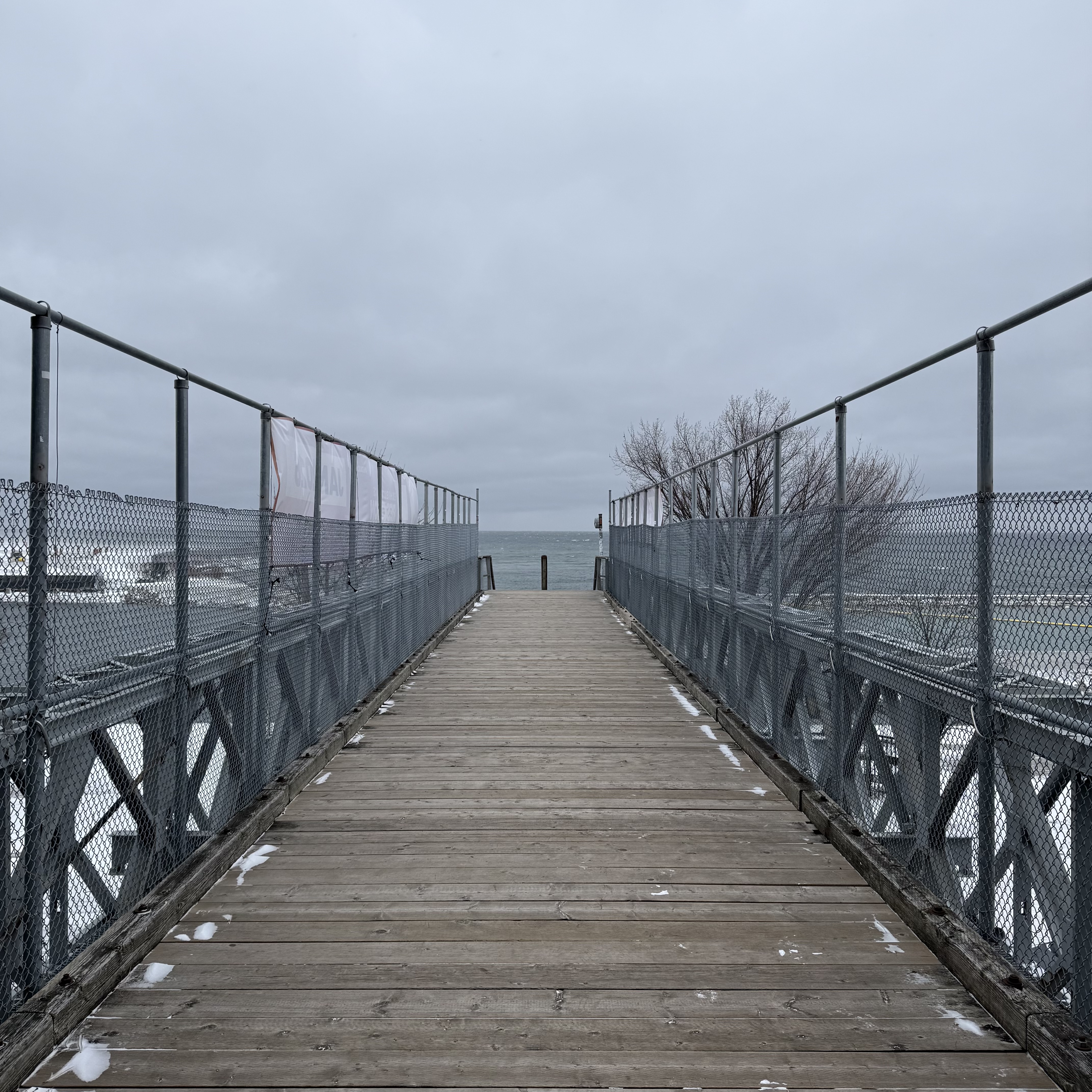
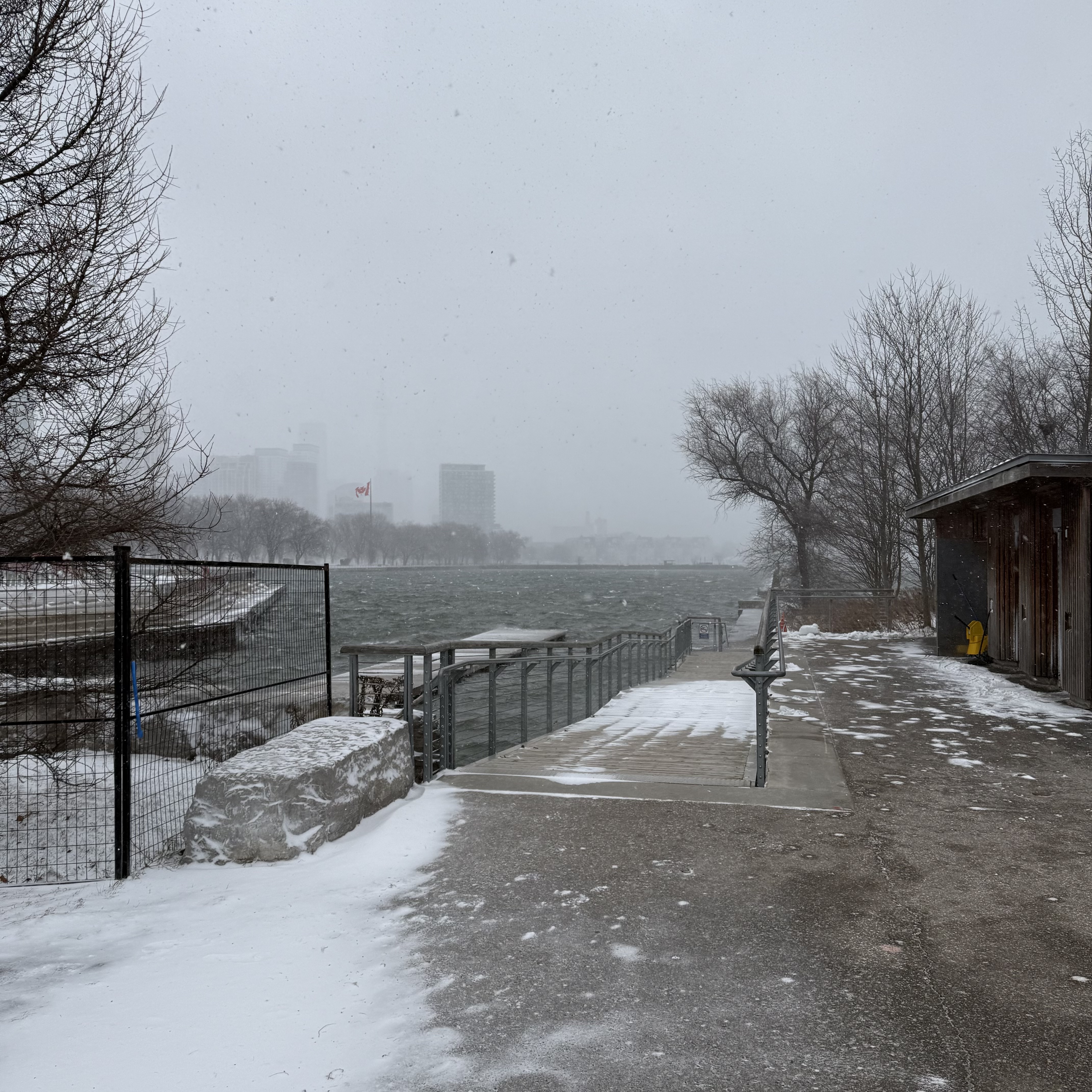
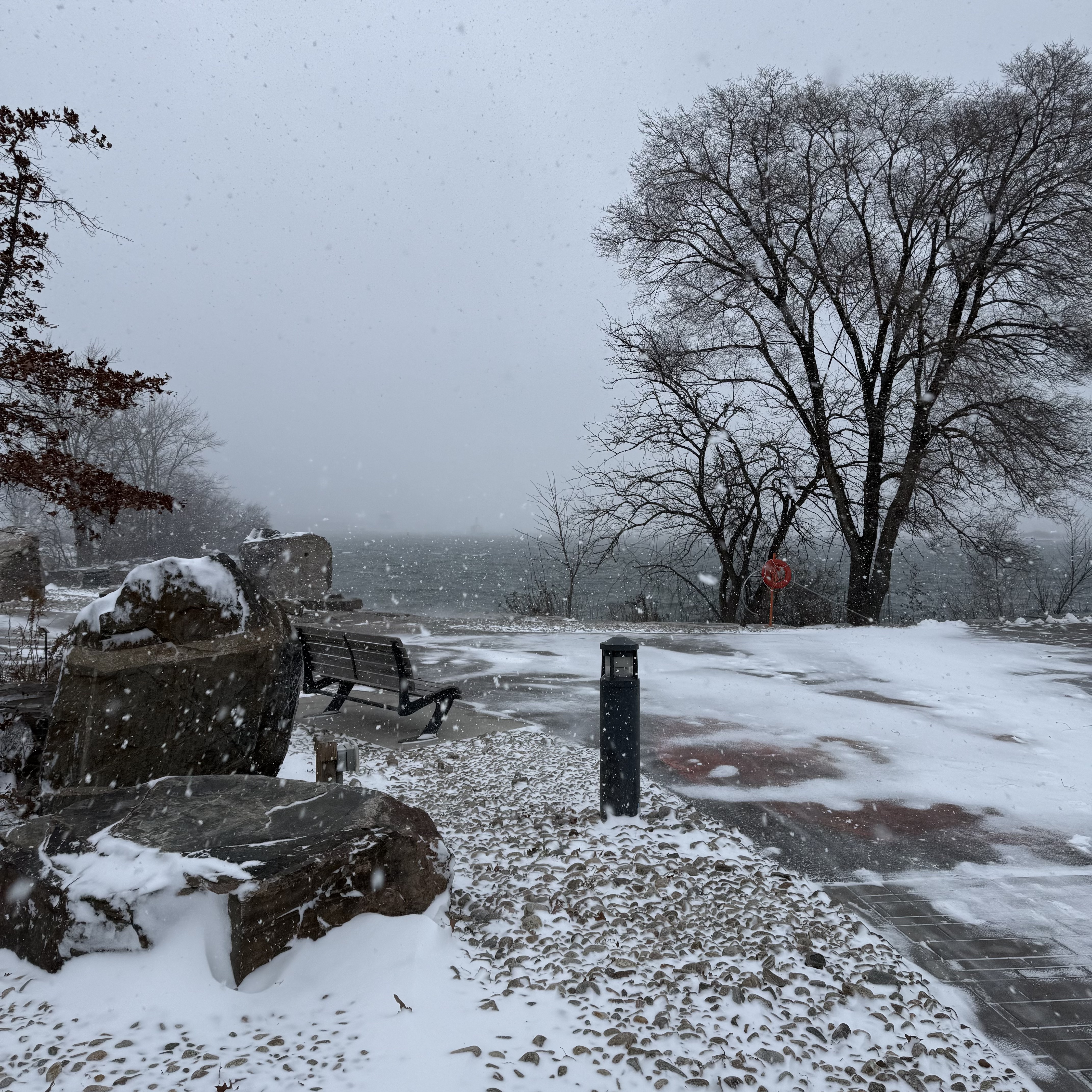
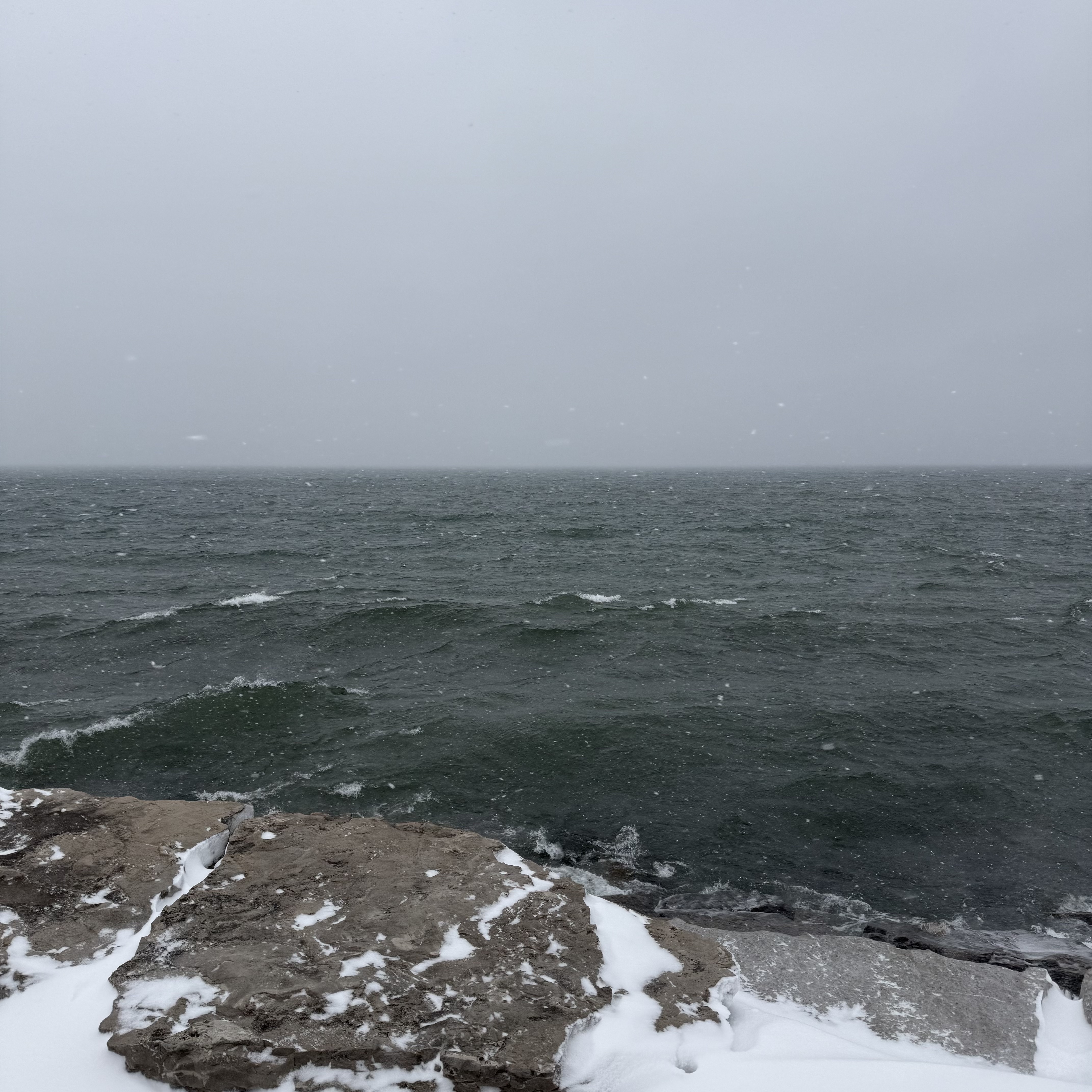
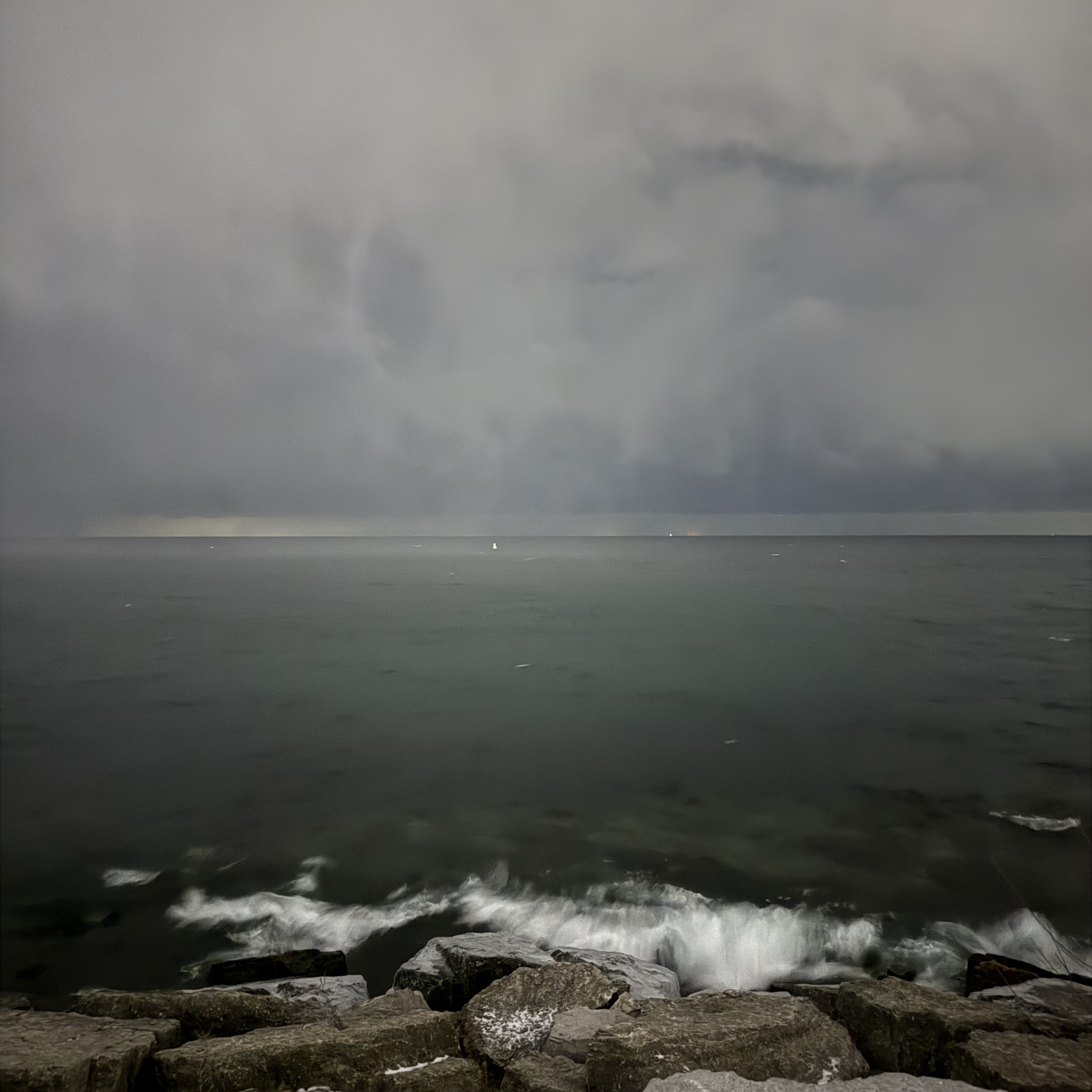
Dark, stormy view of Lake Ontario at night from a rocky shoreline, with small waves crashing against the rocks in the foreground and a low, grey horizon blending into a cloudy sky.

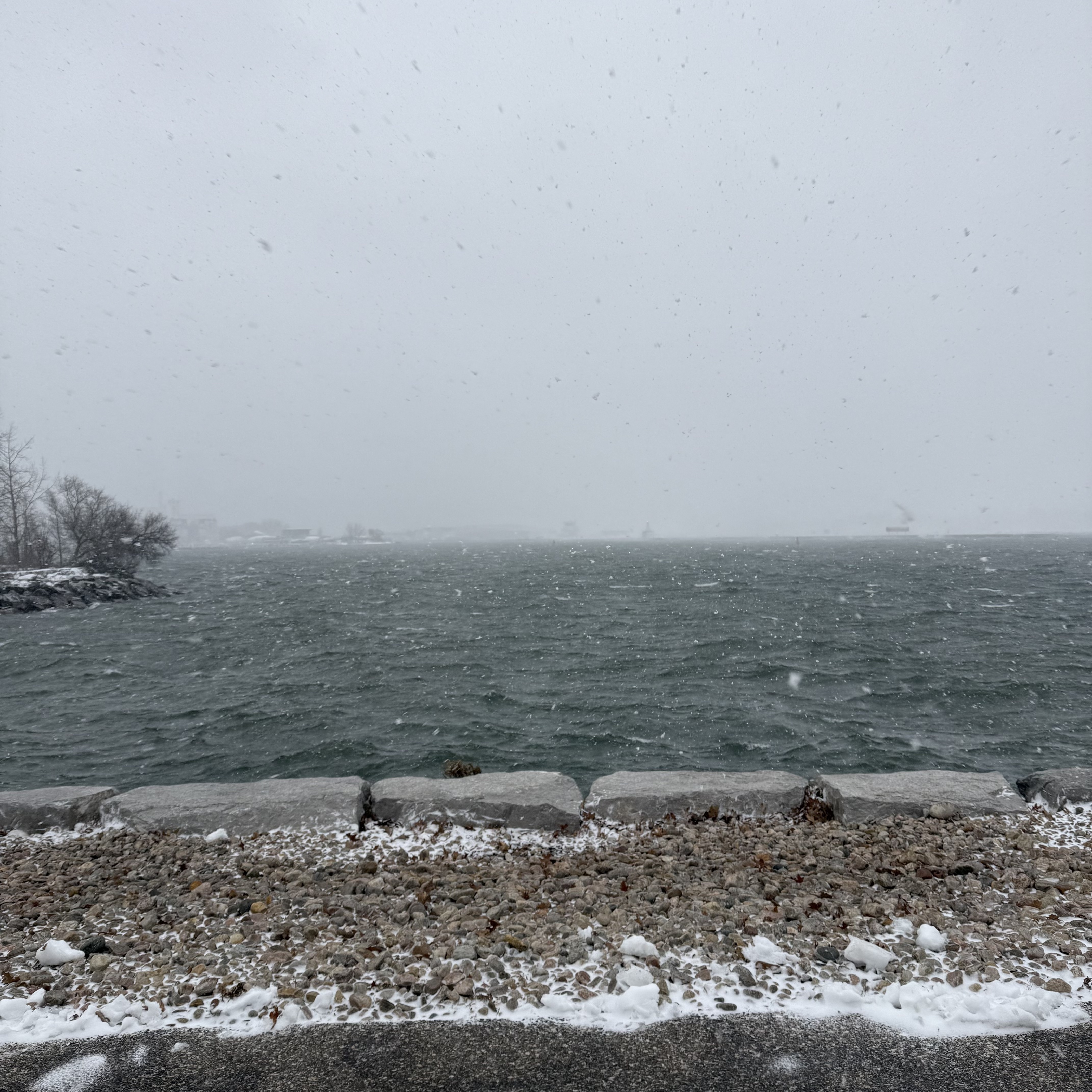
The lake was almost the same colour as the sky, separated only by a thin, pale horizon. Wind came in hard from the water and the waves kept breaking against the rocks in short, restless bursts. Everything felt flattened, quiet, and heavy, like the city was holding its breath.

Swiss mapmakers have been quietly seeding their work with little doodles—marmots, spiders, even the occasional hidden hiker—inside official maps.

It also implies that the mapmaker has openly violated his commitment to accuracy, risking professional repercussions on account of an alpine rodent. No cartographer has been fired over these drawings, but then again, most were only discovered once their author had already left. (Many mapmakers timed the publication of their drawing to coincide with their retirement.) Over half of the known illustrations have been removed. The latest, the marmot drawing, was discovered by Swisstopo in 2016 and is likely to be eliminated from the next official map of Switzerland by next year. As the spokesperson for Swisstopo told me, “Creativity has no place on these maps.”

Emily Sneddon on how she designed Fran Sans, a display font inspired by the destination displays on Muni’s Breda Light Rail Vehicles in San Francisco.

What caught my eye was how the displays look mechanical and yet distinctly personal. Constructed on a 3×5 grid, the characters are made up of geometric modules: squares, quarter-circles, and angled forms. Combined, these modules create imperfect, almost primitive letterforms, revealing a utility and charm that feels distinctly like the San Francisco I’ve come to know.